Quicker Isn't Always Better: How Platform Speed Can Quietly Sabotage Your Casino Game
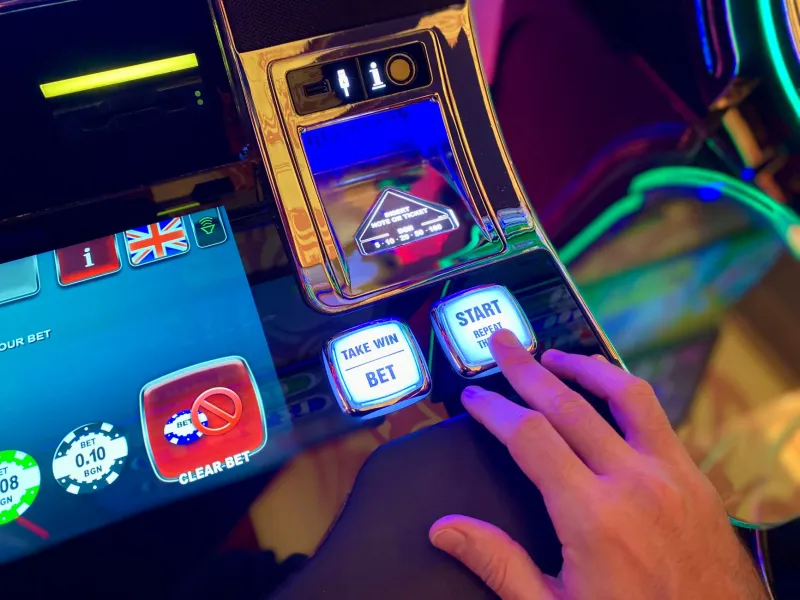
There's something undeniably satisfying about a casino platform that just works. Pages load in a blink, games fire up instantly, and withdrawals hit your account before you've even made a coffee. For Aussie players who've suffered through laggy offshore sites with clunky interfaces and three-day payout queues, a fast platform feels like stepping into a sports car after years of driving a rusted ute.
But here's the thing nobody's rushing to tell you: speed has a dark side. And if you're not paying attention, a well-engineered, rapid-fire platform might actually be working against you — one frictionless click at a time.
The Illusion of Control at High Velocity
When a platform is designed to be fast, it's designed to keep you moving. Snappy transitions, instant feedback, rapid game cycles — these features feel empowering. But what they're actually doing is compressing the time between your decisions.
Psychologists call this decision compression: when the gap between one choice and the next shrinks to almost nothing, the brain doesn't have enough runway to engage its more deliberate, analytical thinking. Instead, it defaults to autopilot — pattern recognition, gut feel, habit. That's great when you're driving a familiar route to work. It's not so great when you're deciding whether to double down, spin again, or walk away with your winnings.
Fast platforms essentially turn what should be a series of considered choices into a stream of reflexes. And reflexes, however sharp, aren't strategy.
Why Your Brain Loves the Fast Lane (Even When It Shouldn't)
Here's where it gets a bit tricky. The same mental shortcuts that lead to poor decisions also feel completely natural. You won't notice your thinking getting shallower — it'll just feel like you're in the zone.
This is partly because rapid-play formats trigger dopamine release in a way that slower games simply don't. The faster the feedback loop — bet, result, bet, result — the more your brain's reward system gets involved. It's the same mechanism behind why scrolling social media feels compulsive even when it's not particularly enjoyable.
For Aussie players who enjoy the energy of a high-speed session, this is worth sitting with. The excitement you're feeling during a rapid-fire run isn't necessarily a signal that you're playing well. It might just be your brain chasing the next hit of feedback.
The Payout Speed Paradox
Instant or near-instant payouts are one of the most marketed features on modern casino platforms — and genuinely, they're a good thing for players who've earned a withdrawal. But there's a subtle psychological wrinkle that doesn't get talked about enough.
When money moves fast in both directions, it loses some of its psychological weight. Behavioural economists have documented this effect in various contexts: the faster a transaction happens, the less real it feels. Cash handed over a counter feels different from a tap-and-go payment, which feels different again from a digital transfer.
In a casino context, this can mean that winnings returned to your account in seconds feel less like real money and more like game credits — easier to recycle back into play rather than actually pocket. And losses processed instantly can feel less significant than they should, making it easier to reload and keep going without pausing to reassess.
None of this is intentional manipulation on the platform's part — it's just how human psychology interacts with speed. But knowing about it puts you in a much better position to manage it.
Rapid-Fire Game Mechanics: Feature or Trap?
Beyond platform infrastructure, the games themselves are getting faster. Turbo modes, quick-spin options, and condensed bonus rounds are now standard on most modern slots. Some platforms let you pre-set auto-play sequences that will chew through hundreds of spins with zero manual input.
These features aren't inherently bad. Used deliberately — say, to move through low-stakes spins while you're warming up or testing a new title — they're fine. The issue arises when speed becomes the default rather than the exception.
When you're auto-spinning through a game at maximum velocity, you're not really playing anymore. You're watching. And watching doesn't engage the same level of critical awareness that active play does. It's the difference between driving and being a passenger — one requires constant micro-decisions, the other just requires you to stay awake.
Practical Strategies to Stay Sharp at Speed
So how do you enjoy the genuine benefits of a fast platform without letting velocity override your judgement? A few approaches that actually work:
Build in your own friction. If the platform won't slow you down, do it yourself. Set a rule that you'll pause for 10–15 seconds between sessions or after every 20 spins. It sounds small, but it's enough to re-engage your analytical brain before the next decision.
Treat auto-play as a premium feature, not a default. Only switch it on when you've made a conscious, deliberate choice to use it — not just because it's there. If you catch yourself using it out of habit, that's a flag worth noticing.
Separate your winnings mentally before you continue. When a payout lands, take a moment to consciously acknowledge what you've won and decide — actively decide — what portion, if any, you're putting back into play. Don't let fast processing make that choice for you.
Use session timers. Most reputable platforms have them built in, and they exist for exactly this reason. A timer gives you a natural pause point that isn't driven by the game's momentum.
Slow down the game, not just the platform. Choose titles with longer animation sequences, more complex bonus structures, or interactive features that naturally extend each round. These games create their own pace, which gives your decision-making more breathing room.
Speed Is a Tool — Use It That Way
None of this is an argument against fast platforms. At Casino Rocket AU, we're all about the thrill of a session that runs smooth and sharp. Quick load times, responsive interfaces, and efficient payouts are genuinely player-friendly features — and they're worth seeking out.
The point is simply this: the platform's speed and your decision-making speed don't have to be the same thing. A fast site gives you options. What you do with those options is still entirely up to you.
The best Aussie players aren't the ones who match the machine's tempo. They're the ones who know when to ride the rocket and when to take their hand off the throttle — even when everything around them is moving at warp speed.
Stay deliberate. Stay sharp. And remember that in this game, the smartest move is almost never the fastest one.